
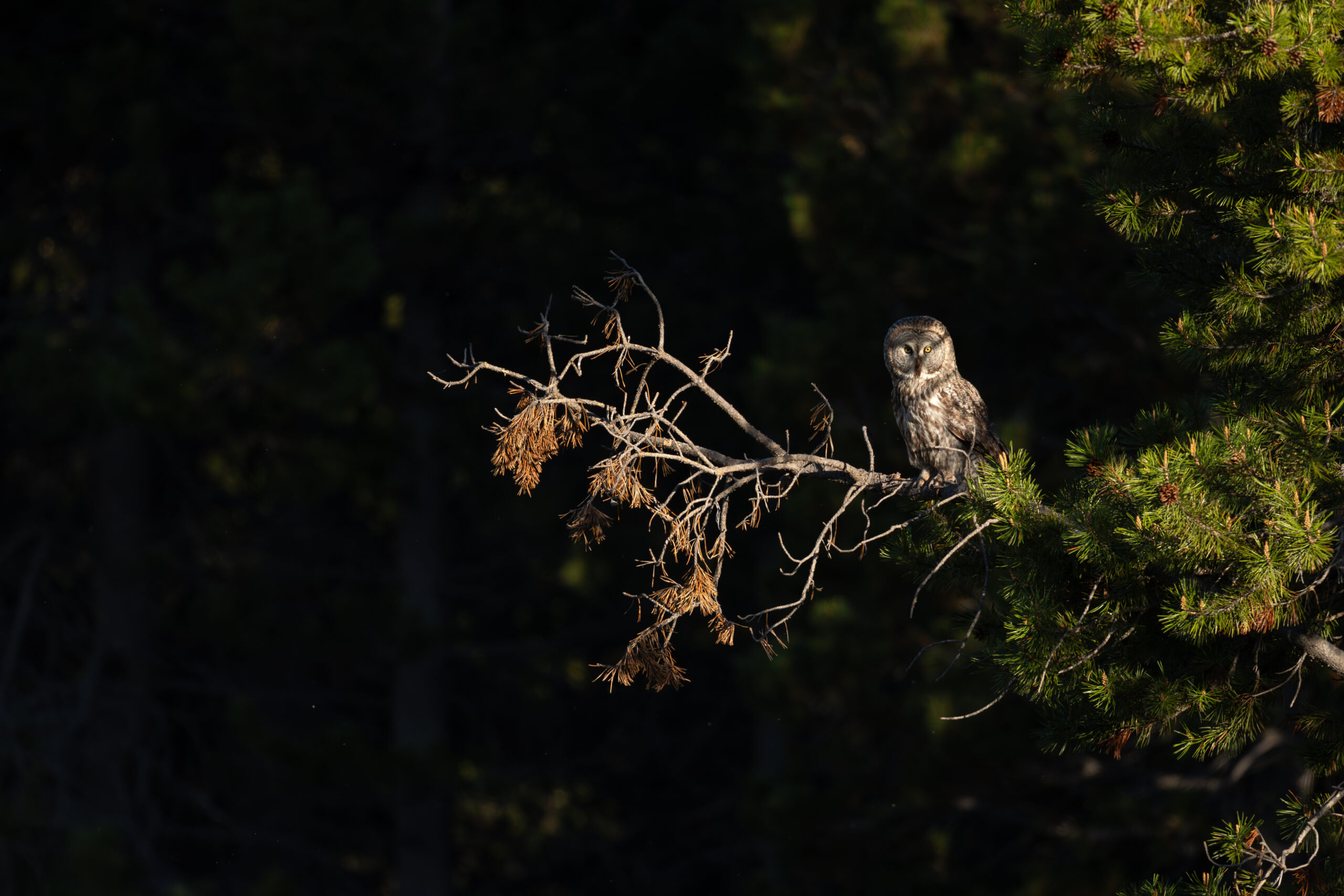
Nicknamed the “Phantom of the North,” the great gray owl moves through the forest with near-total silence. Seeing one in the wild is unforgettable. Photographing one in Yosemite is an experience that stays with you forever.
A Rare Encounter in Yosemite
Yosemite is known around the world for its towering granite cliffs, waterfalls, and dramatic landscapes, but it’s also home to incredible wildlife. Among the black bears, coyotes, mule deer, and soaring eagles lives one of the park’s most mysterious residents — the great gray owl. Spotting one is never guaranteed.
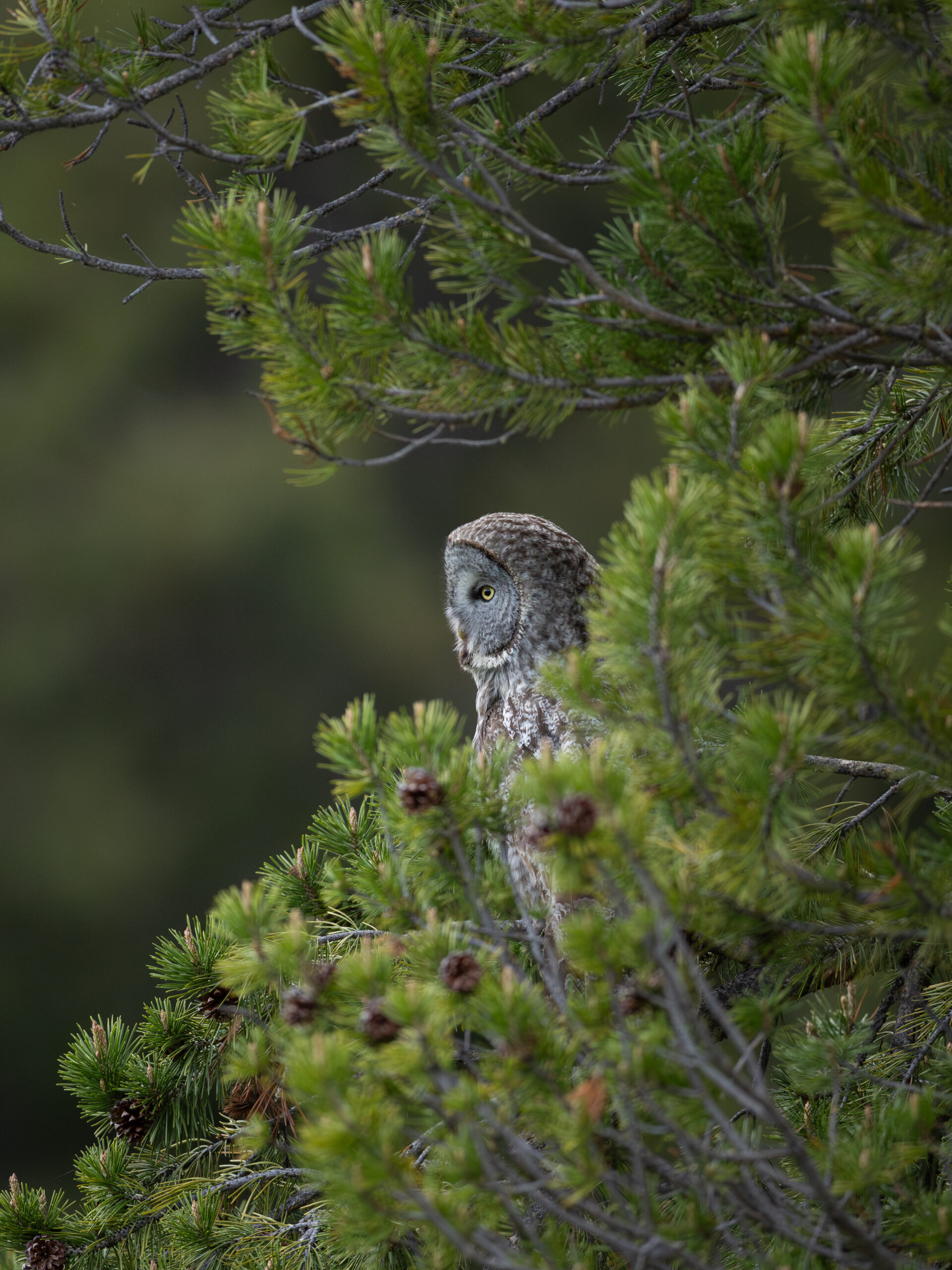
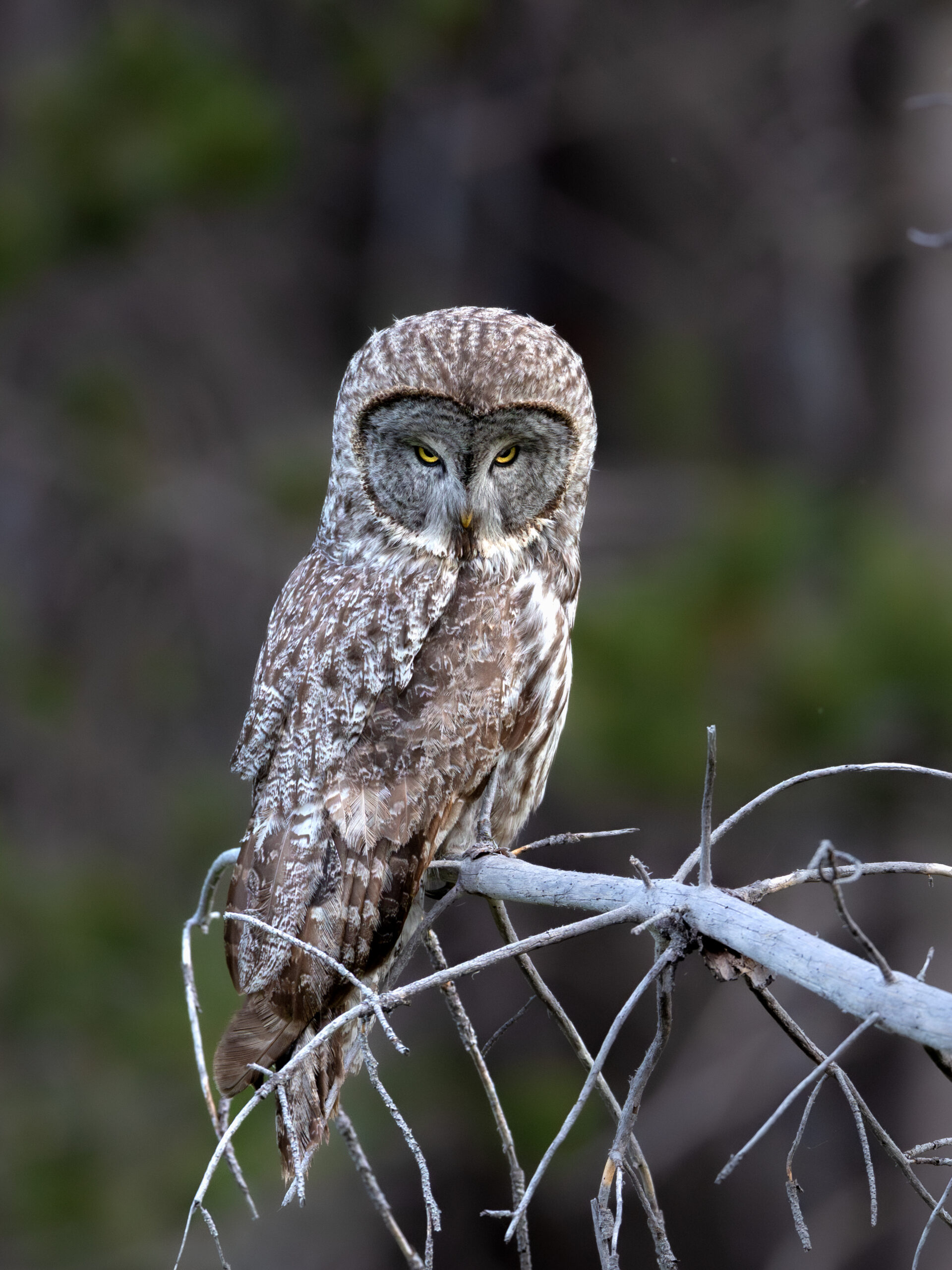
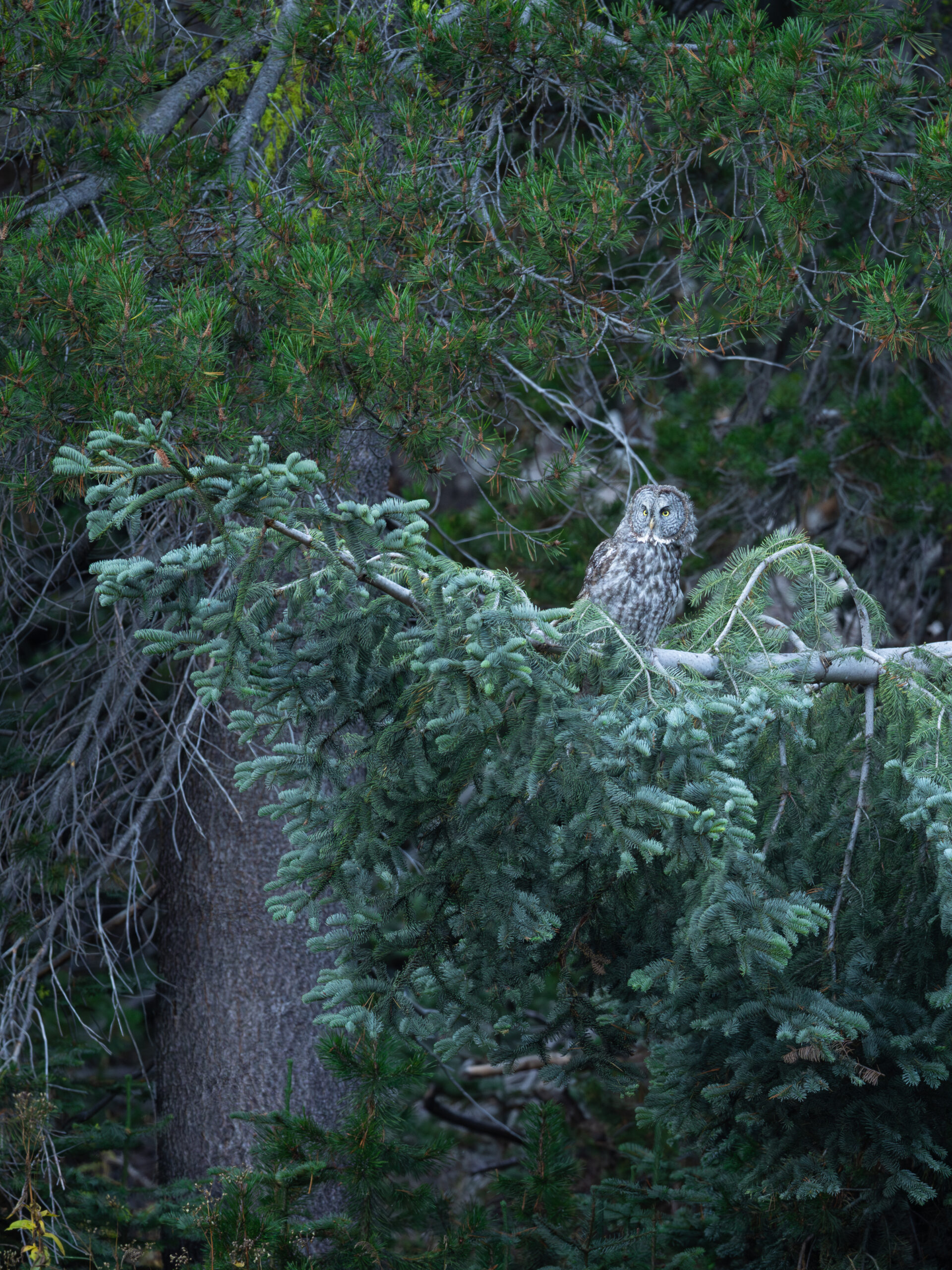
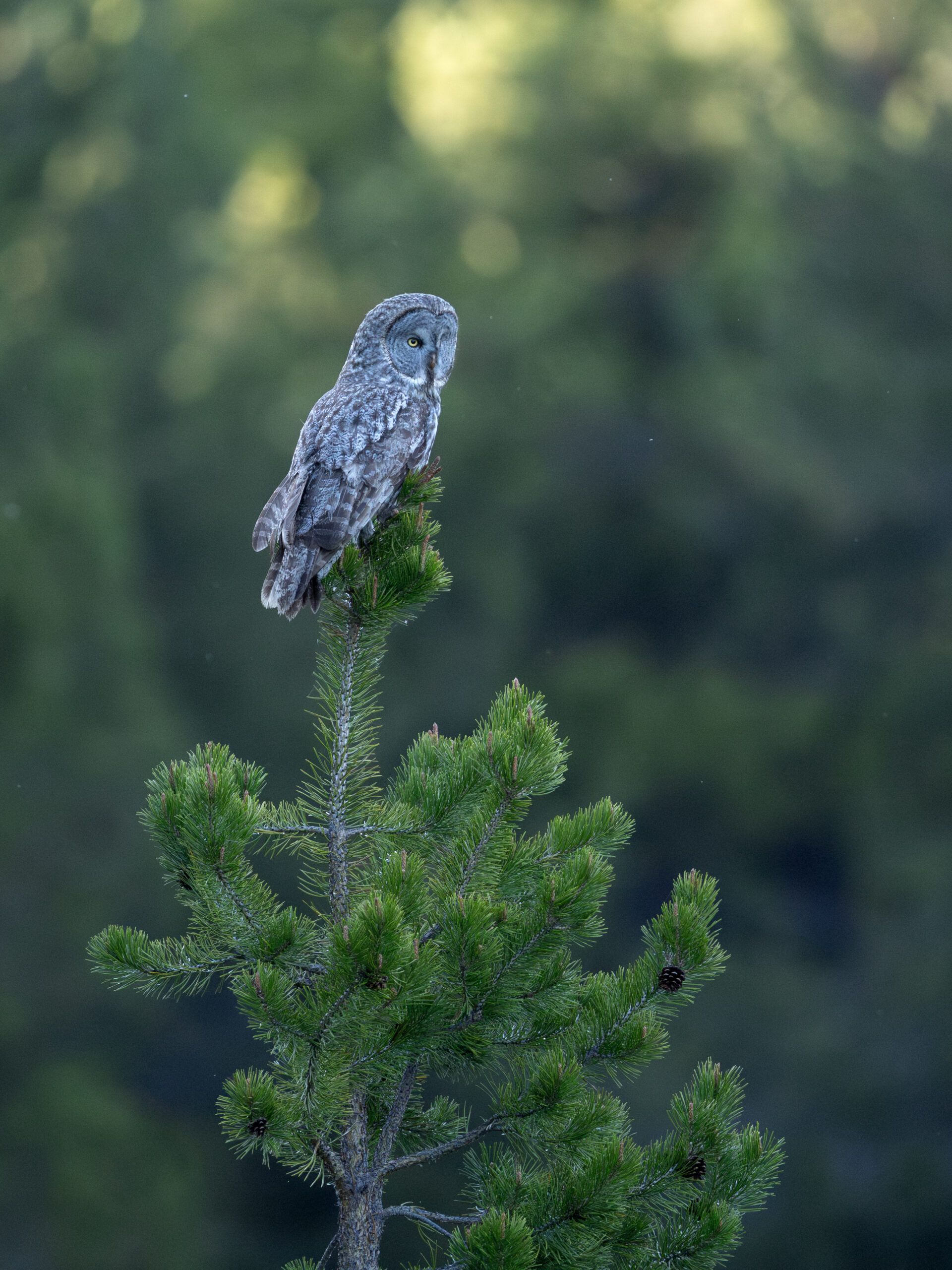
These owls blend perfectly into the forest environment with their gray plumage and massive facial disk that acts almost like a satellite dish, helping them hear prey hidden beneath grass or snow. Despite their large appearance, they are incredibly lightweight birds built for silent flight.
The Art of Patience in Wildlife Photography
I spent years searching for these owls in the Yosemite National Park region. They’re considered endangered in California, and spotting one in the wild is incredibly rare. For nearly 5-6 years, I dedicated countless hours hiking meadows and forests, scanning tree lines, and patiently waiting for even the slightest glimpse of one. There were many days of searching without success, but the challenge only made the pursuit more meaningful.
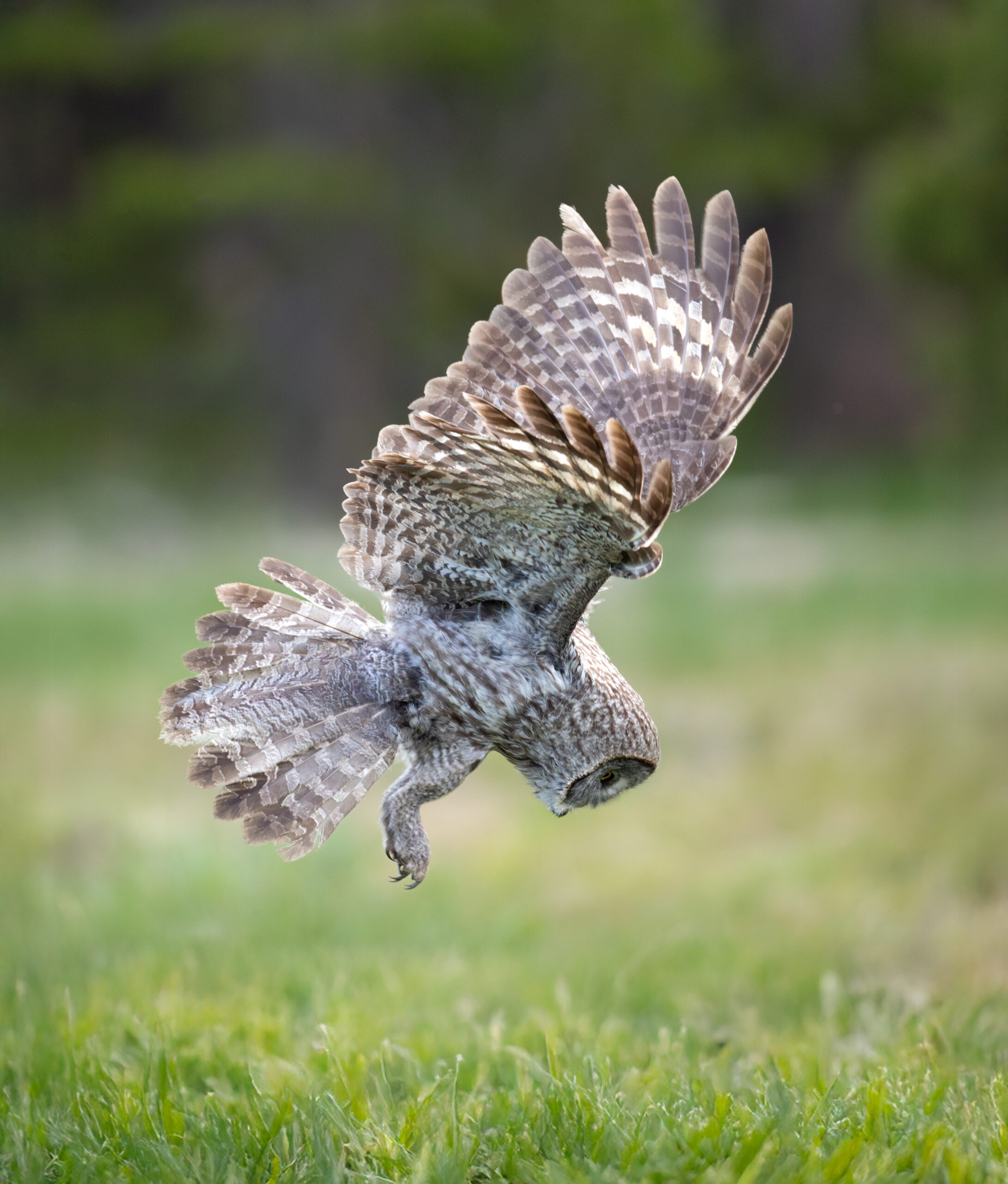
When I finally saw my first great gray owl, it was one of the most rewarding wildlife experiences I’ve ever had. Every hour spent searching suddenly felt worth it. All the patience, determination, and persistence had finally paid off. Watching these owls hunt in the meadows is something truly special. They move with complete silence, gliding low over the grass while listening carefully for movement beneath the surface. Their ability to pinpoint prey hidden underground is incredible to witness in person. They are powerful, precise, and highly skilled hunters.
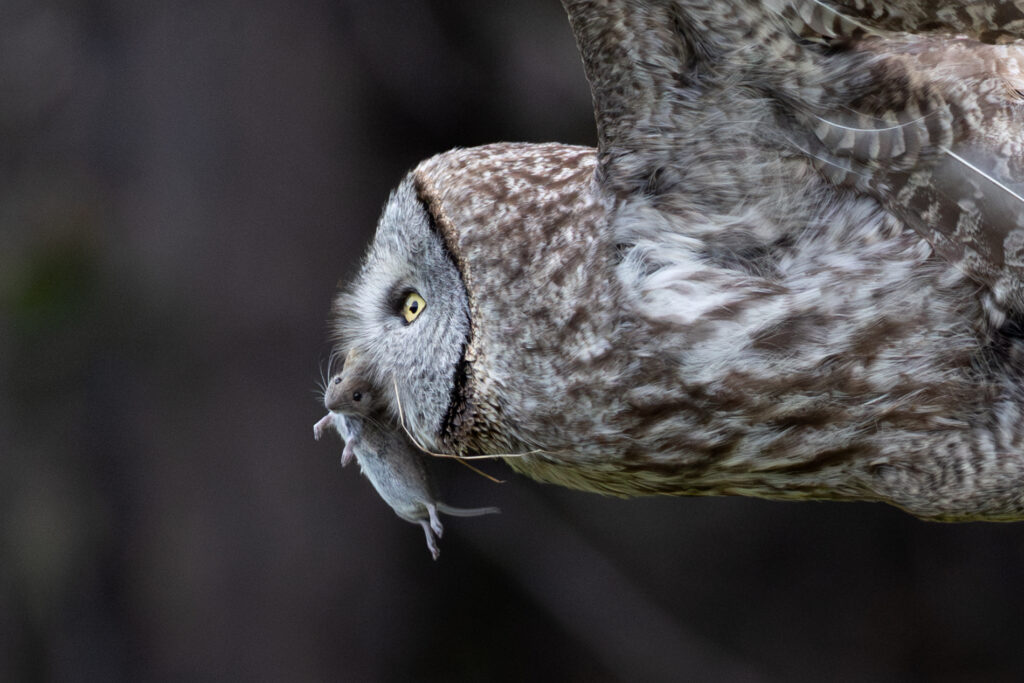
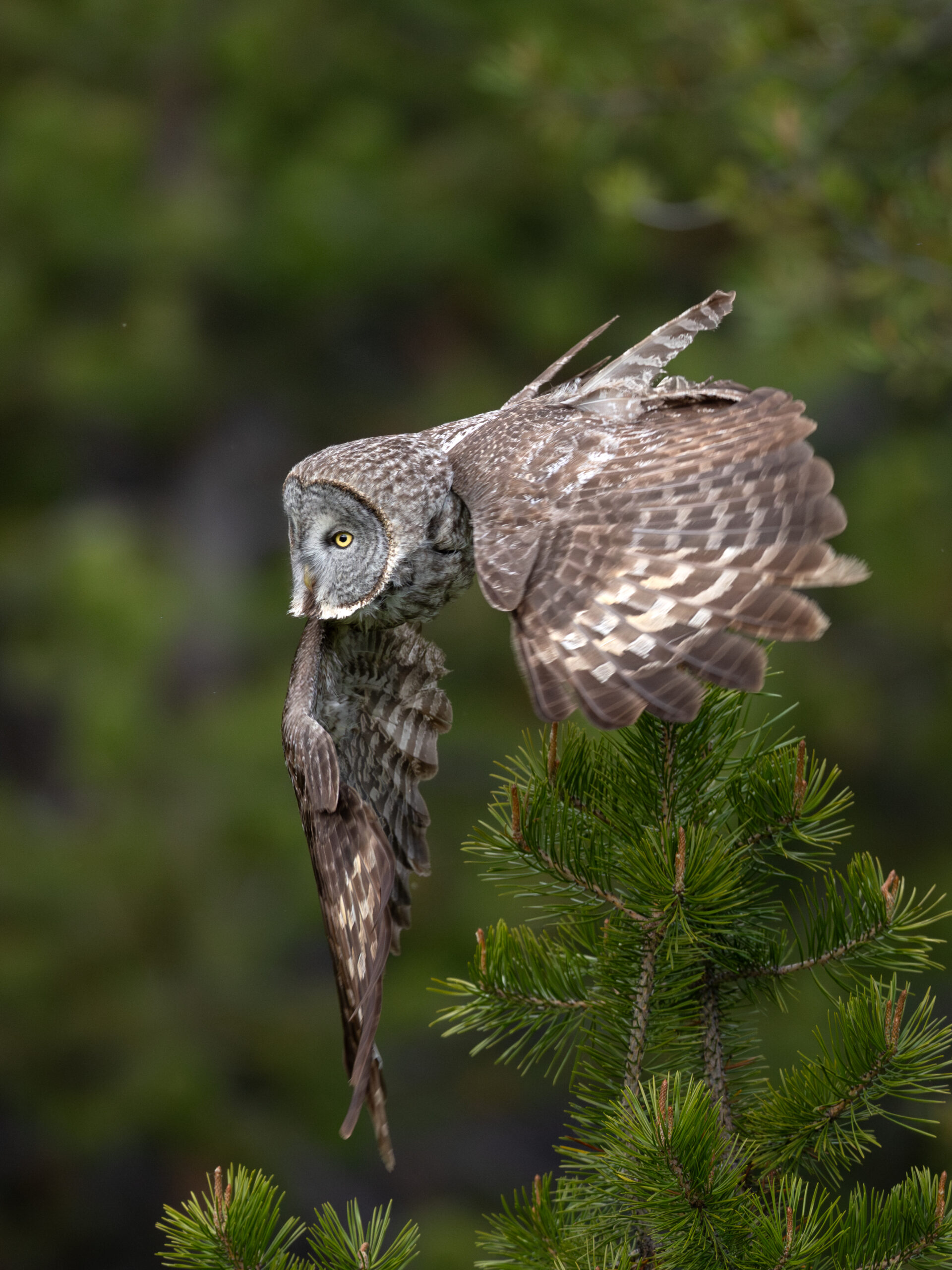
One encounter especially stands out to me. I was observing one perched low on a tree branch as it focused intensely on the meadow below. Suddenly, it launched off the perch and flew directly toward me. Within seconds, it was less than 15 feet away and dove into the grass, catching a vole hidden beneath the surface. Then for a brief moment, the owl looked directly at me with its beautiful yellow eyes before pulling the vole from its hiding place and silently flying off into the forest.
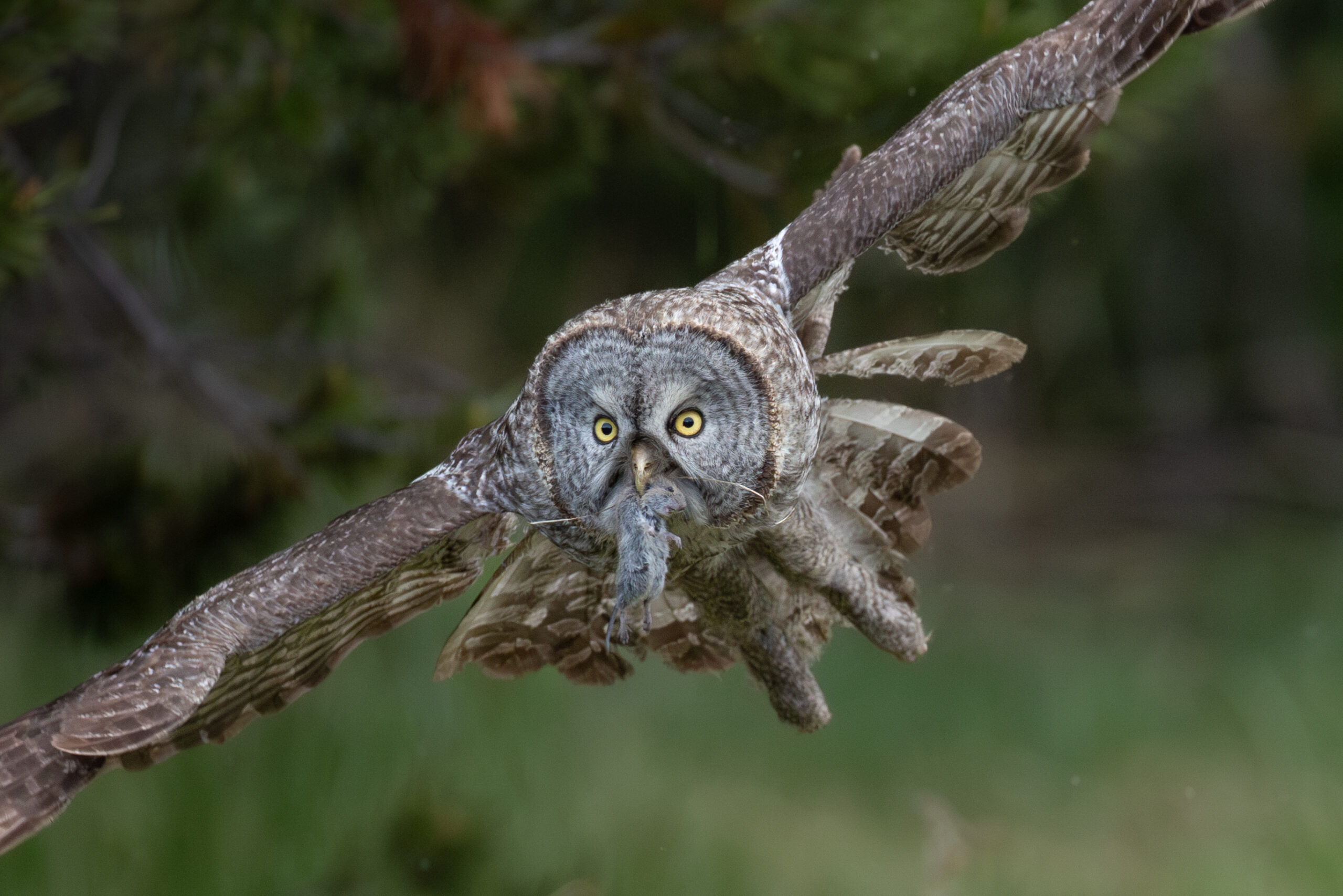
It’s moments like these that make wildlife photography so unforgettable. You can spend years searching, waiting, and hoping for a single encounter — and when it finally happens, it may last only a few seconds, yet remain etched in your memory forever.
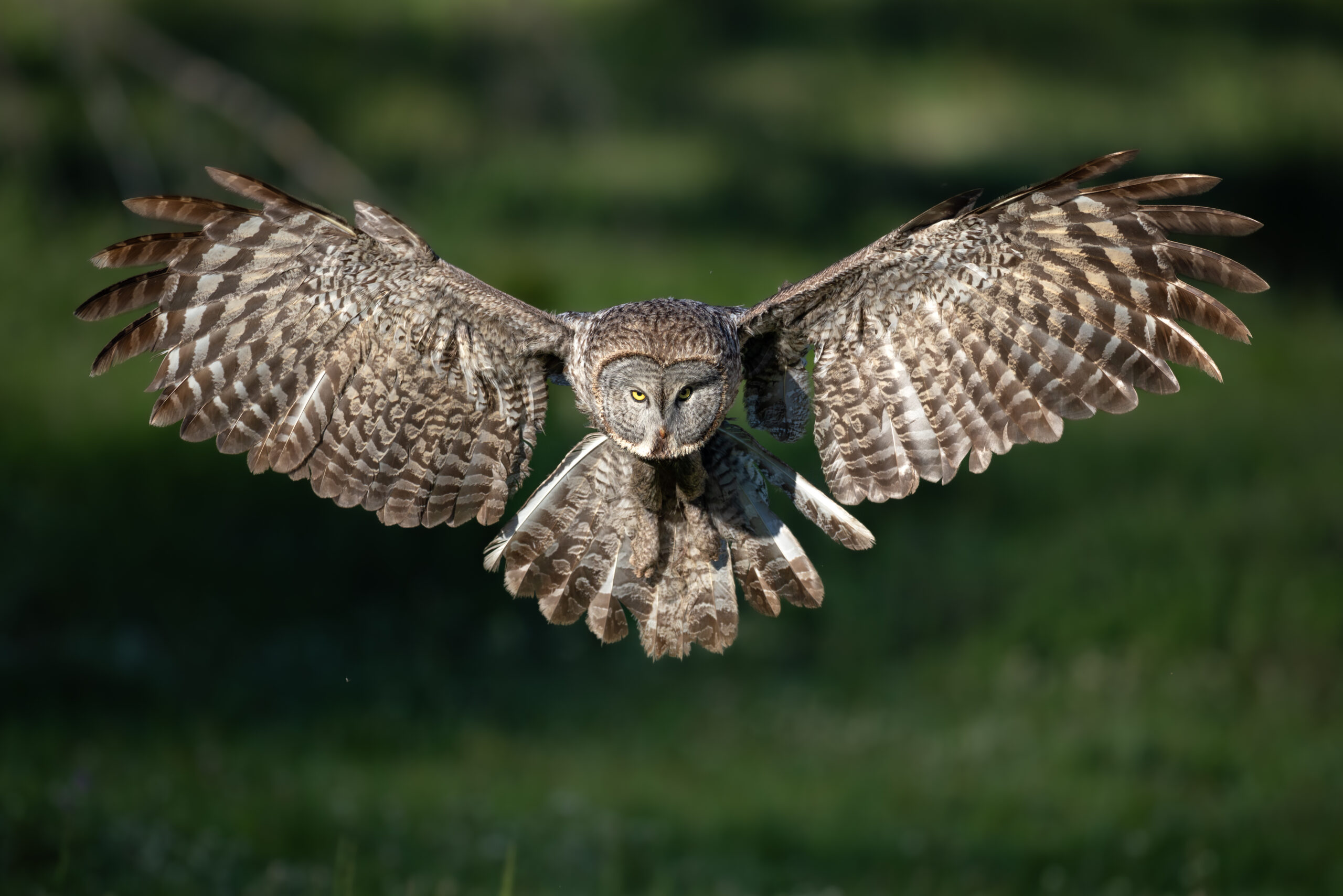
Why Great Gray Owls Are So Special in Yosemite National Park?
What makes them especially unique in California is their rarity. Great gray owls are considered an endangered species in the state, and the Sierra Nevada population is extremely limited. Spotting one in the wild is never guaranteed, even for people who spend years searching for them. Because these owls are sensitive to disturbance and vulnerable to habitat loss, ethical wildlife photography is essential. Observing from a respectful distance and prioritizing the owl’s well-being over a photograph helps protect these incredible birds for future generations.
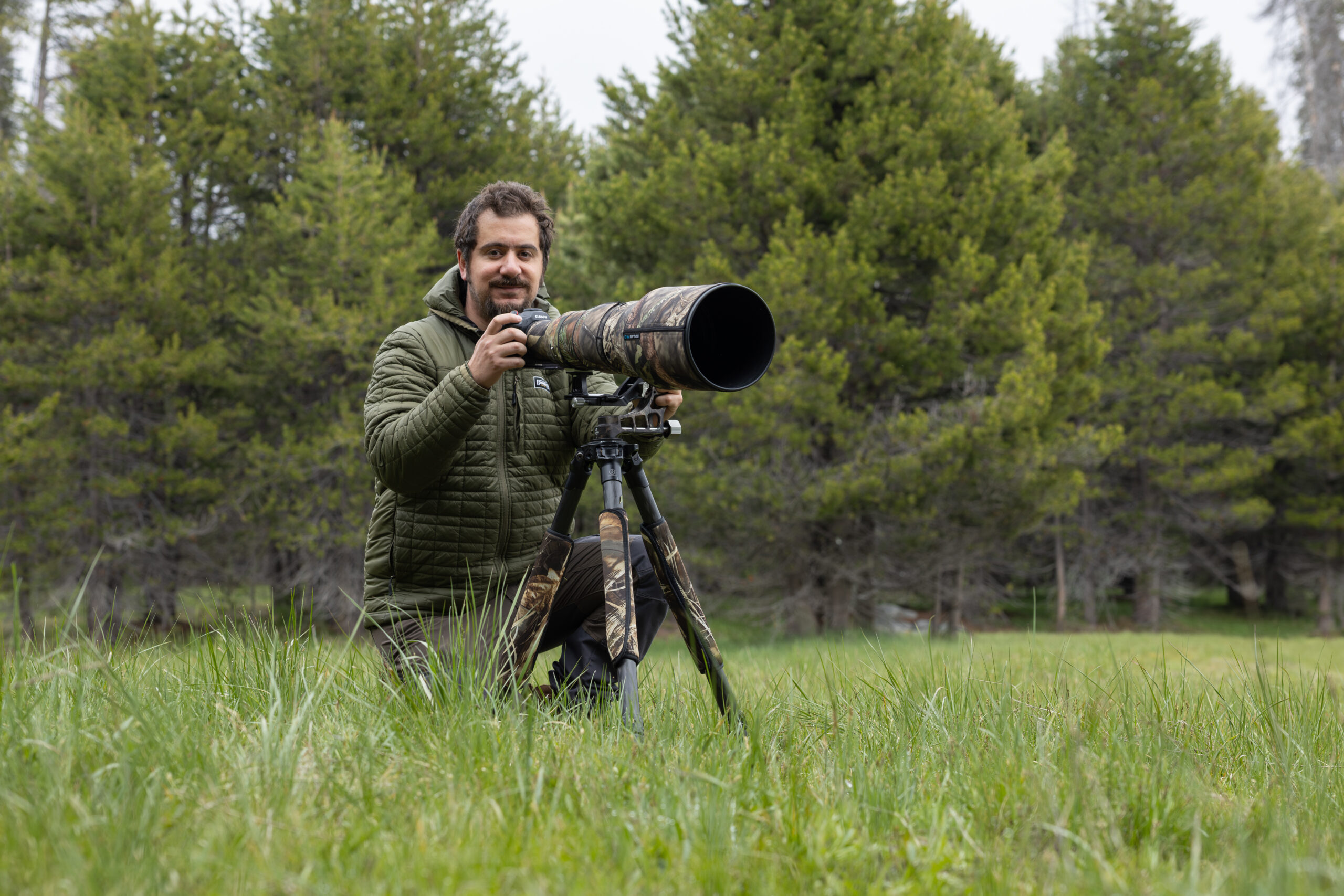
These images that I’m showing are all taken with my Canon 600mm F4 (Prime Lens). I sometimes add the 1.5X extender for extra reach and that helps me to keep a safe distance from the owls by not disturbing them.
Key Prey in Yosemite:
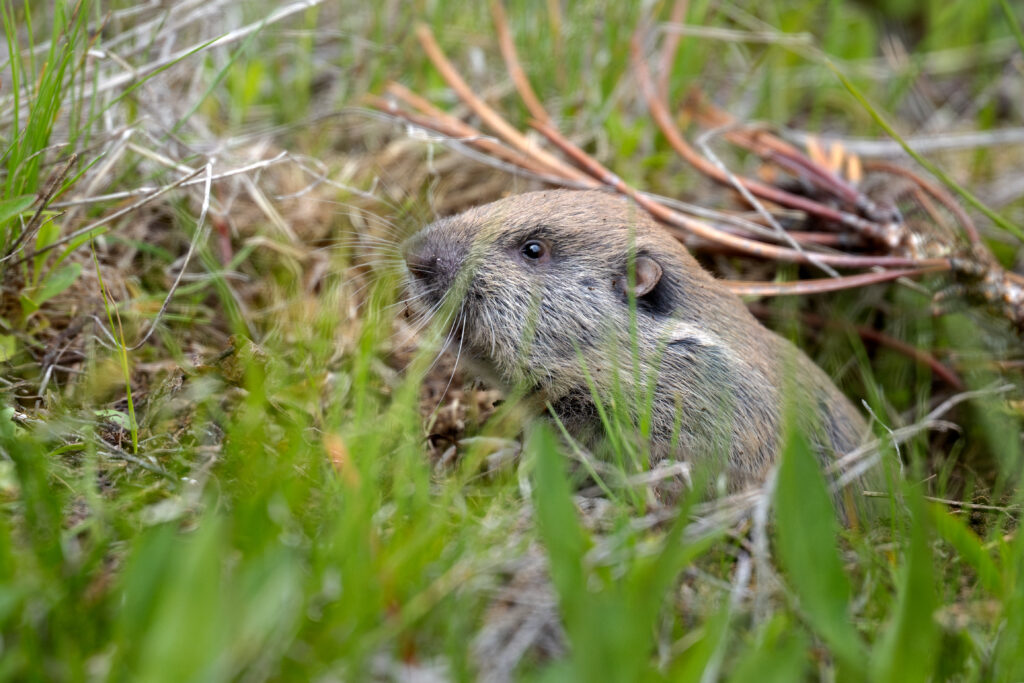
In Yosemite National Park, the preferred rodents of the Great Gray Owl are pocket gophers and voles. While many northern owl populations rely almost exclusively on voles, the dry montane meadows of California’s Sierra Nevada make pocket gophers their primary prey.
Final Thoughts
Wildlife photography is about more than documenting animals, it’s about connection. The great gray owl represents the wild silence and mystery that make places like Yosemite so special. Every encounter feels temporary, rare, and meaningful. And that’s exactly what makes photographing them so powerful. Let’s help protect these rare and endangered owls by respecting their space, avoiding disturbance to sensitive meadows habitats, and lastly most importantly not sharing exact locations on the Internet/ social media.
Additional Images
Follow along for more wildlife encounters, photography stories, and future tours!